Is a Root Canal in Burlington as Scary as Everyone Says It Is?
Where the Root Canal Fear Comes From
The reputation root canals carry today is mostly leftover from decades ago, before modern anesthesia and imaging existed. That is simply not the reality anymore. A few reasons the myth has stuck around:- Pop culture uses root canals as shorthand for pain or misery
- People confuse the toothache that leads to treatment with the treatment itself
- Word of mouth stories tend to grow more dramatic with each retelling
What a Root Canal Actually Involves
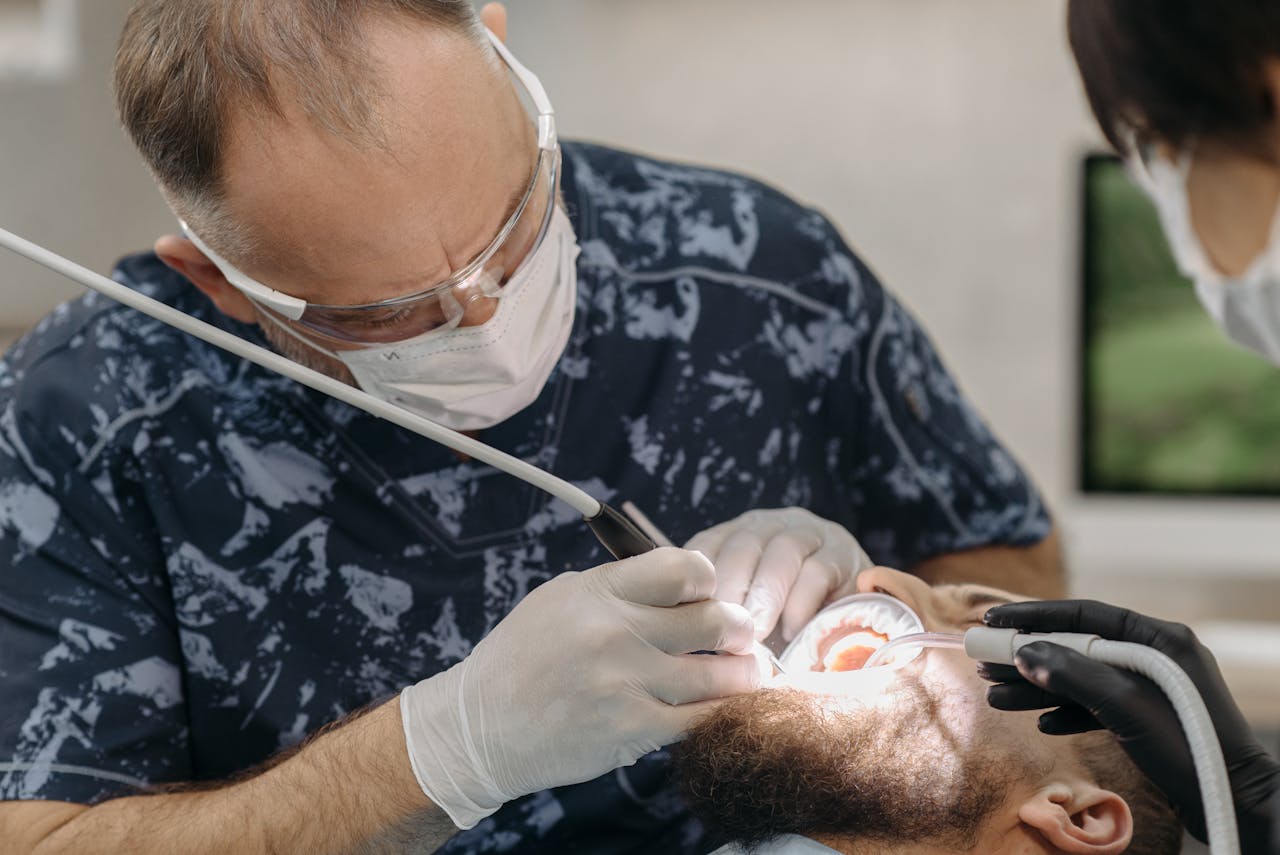
We approach every root canal with a focus on your comfort from start to finish. Here is what the process generally looks like:- Diagnosis: We take an X-ray to see exactly what is happening inside the tooth. If there is an infection, antibiotics may be recommended beforehand to calm any swelling.
- Numbing and cleaning: We thoroughly numb the area before we begin. Most patients are surprised at how relaxed they feel once treatment starts. From there, we gently remove the infected or damaged tissue causing the pain.
- Sealing: Once clean, the tooth is sealed to protect it from future infection. Depending on the tooth, a dental crown may be recommended afterward to keep it strong for years to come.
So, Is It Actually Painful?
This is the question we get asked the most. Here is the honest answer: with today’s numbing techniques, most patients feel little to no discomfort during the procedure. Any soreness afterward is usually mild, similar to what you might feel after a filling. Fear around root canal therapy tends to come from outdated stories rather than the actual experience, and published dental research backs this up, showing that the procedure is generally far milder than patients expect going in.Why Saving the Tooth Matters
A root canal is not just about getting rid of pain, it is about saving your natural tooth. Keeping your own tooth is almost always better than removing it, both for your bite and your long term oral health. A few signs it might be time to have a tooth checked:- Sensitivity to hot or cold that lingers
- A toothache that will not let up
- Swelling or tenderness in the gums
- Discolouration of a single tooth
- A small bump on the gum near the sore tooth