Why Dental Implants in Burlington Are Becoming the Gold Standard for Tooth Replacement
One Solution, Many Possibilities
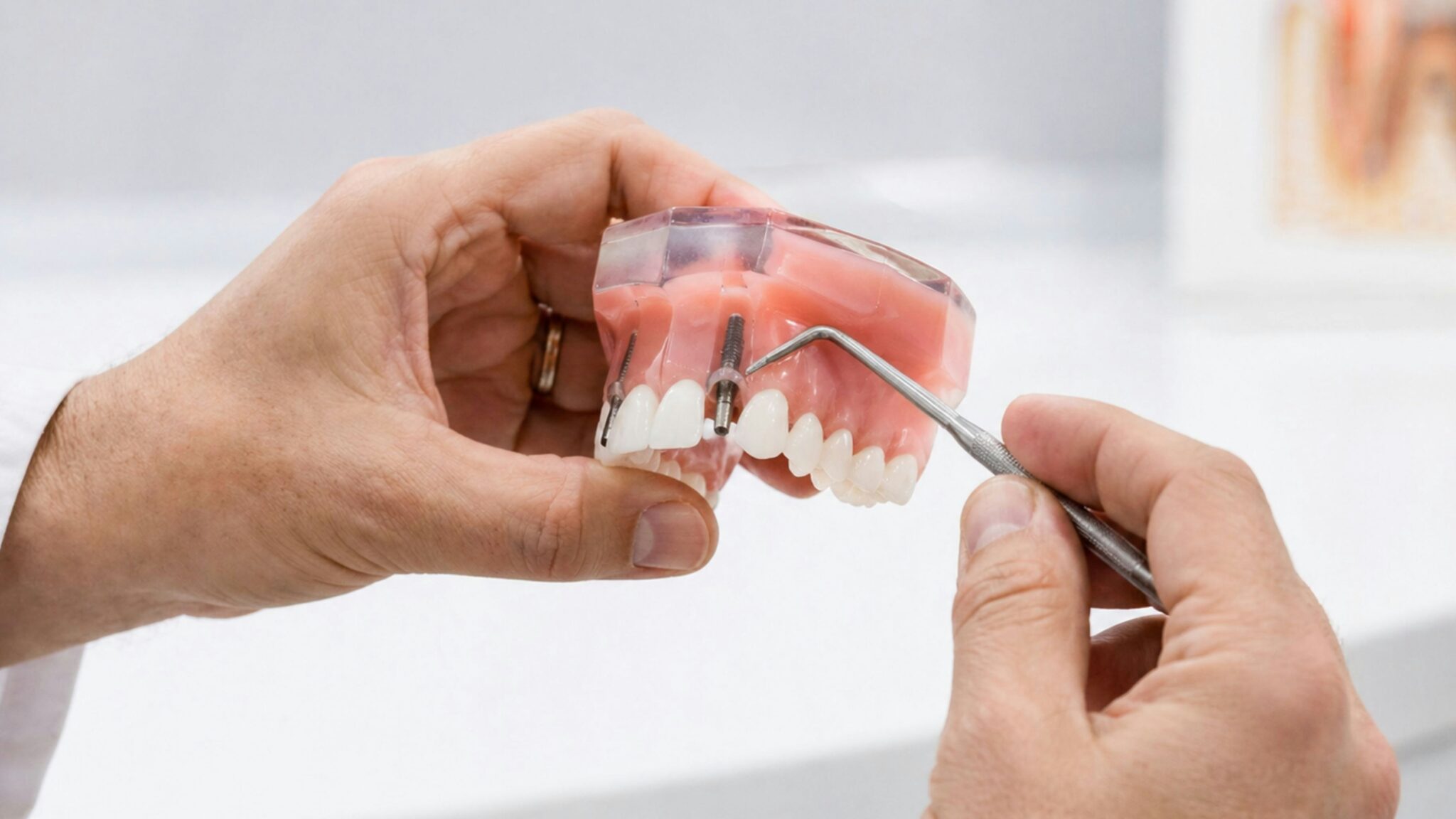
One of the reasons dental implants have become such a sought-after treatment is their versatility. They are not limited to replacing a single missing tooth. Depending on your needs, implants can support different types of dental restorations. For example, implants may be used to:- Replace one missing tooth with an individual dental crown.
- Restore several missing teeth using an implant-supported bridge.
- Provide additional support for a full set of replacement teeth.
- Improve the stability of dentures for patients who struggle with movement or discomfort.
How Missing Teeth Can Affect More Than Your Smile
It is easy to think of tooth replacement as primarily a cosmetic decision. However, missing teeth can have consequences beyond appearance. When a tooth is lost, the surrounding teeth may gradually shift towards the empty space. This can affect how your upper and lower teeth sit together when biting. Some patients also experience changes in their chewing habits, placing more pressure on certain areas of their mouths. Replacing missing teeth can help address these concerns by restoring balance and function. Dental implants also provide stimulation to the jawbone, helping reduce the bone deterioration that can occur following tooth loss. Taking action sooner rather than later can give you more treatment options to consider.What Goes Into Planning a Successful Implant Treatment?
No two smiles are exactly alike, which is why dental implant treatment should never follow a one-size-fits-all approach. Before recommending treatment, your dental professional needs to understand your existing oral health and how a replacement tooth will fit into your bite. This involves evaluating your gums, jawbone, neighbouring teeth, and overall dental needs. Other considerations may include:- The position and number of missing teeth.
- Your bite and the way your teeth meet.
- Existing dental restorations.
- Your medical and dental history.
- Your expectations for the finished result.
Keeping Your Dental Implants in Good Condition
Getting your new smile is only part of the commitment. Daily care and regular dental visits are important for protecting the health of your implants and the surrounding gum tissue. Fortunately, maintaining dental implants does not require an entirely different oral hygiene routine. Patients should generally:- Brush twice daily with a soft-bristled toothbrush.
- Clean between their teeth and around their implants every day.
- Attend regular dental examinations and professional cleanings.
- Follow any additional care instructions provided by their dental team.